Healthy Homes Assessment Glenside
Glenside tenants and landlords can get their rental homes peace of mindHealthy Homes Assessment Services
Did you not know that Healthy Homes Standards came into effect on the 1st July 2021? Landlords now have to ensure that their Glenside rental properties meet the minimum Healthy Homes Standards within 90 days of the start of any new or renewed tenancy, and all private rental properties must be completely compliant by 1 July 2024.
The areas covered by the Healthy Homes Standards are:
We will evaluate your rental property and determine whether it is in compliance with the NZ Healthy Homes and Residential Tenancy Acts requirements. After assessing, we’ll advise you or your property manager about any work which needs to be completed, and provide a report with all the necessary information to complete your tenancy agreement’s Healthy Home Statement of Compliance.
Failure to comply with the requirements of the Healthy Homes Standards is a violation under the Residential Tenancies Act 1986, and any landlord found not following the rules could be subject to fines of as much as $7,200 and additional healthy homes connected fines.
Our company is fully independent assessors of rental property, as well as fully qualified for each of Healthy Homes and Homefit.
Fines for Failing to Comply
Since the 1st July of 2021, when a brand new or renewed tenancy is signed for a Glenside rental property, all Healthy Homes compliance work need to be finished inside of 90 days.
From the 1st of July in 2021, if a new or renewed contract is signed on the Glenside rental property, all Healthy Homes compliance work must be done inside of 90 days.
Failure to adhere to each of Healthy Homes Standards by the end of the deadlines can result in an amount of $7200. In addition, if the existing Healthy Homes Statement of Compliance isn’t incorporated within a new, renewed or revised tenancy agreement there could be an additional fine or violation fee.
Anyone can request information regarding the Healthy Homes Standard and how they are related to the house they live in. If the landlord or property manager is unable to provide the information requested within 21 days from being informed of the request, they can receive an infringement letter and be fined up to $750.
In addition, there is also a fine of approximately $900 for landlords or property managers who have provided a false or false Healthy Homes Compliance Statement or any other information. The person who is responsible for this fine is whoever is named on the lease agreement as being the person letting the property out and it could be the landlord’s name or the company that manages the property.
All information in the Compliance Statement requirements to be up-to-date when the tenancy contract is signed, and ideally it is updated throughout the duration of the tenancy when any relevant work gets completed.
It’s important to remember that a landlord who have multiple rental properties may face greater penalties for non-compliance. The harshest penalties are handed down for serious violations. Those who have six or more properties could be penalised up to $50,000 and as high as $100,000 in hearings.
Clearly, failure to comply with the Healthy Homes requirements can hit your bank account and result in massive fines as well as having to continue to comply. Don’t put your rental at risk. property Call us today and request an house assessment done on your rental property.
See the full details for this law. Residential Tenancies Act landlords responsibilities.
What is the reason Healthy Homes Compliance so important?
A majority of households from New Zealand and Glenside, and research shows us that these rental homes are more likely to be colder, older and are not as efficient heating, and generally are of lower standard than those owned by owners.
Cold, damp and mouldy homes can have negative health outcomes, particularly illnesses like colds, influenza, asthma, and heart diseases. In addition, people who report at least four key house quality problems often experience poor life satisfaction and lower well-being.
Enhancing the standard of Glenside rental property can allow tenants to experience better mental and physical health and minimise the interruption to learning, work and living due to health issues. Your investment is also better secured from mildew, mould and damp , which means lower costs for maintenance over the long term.
The Healthy Homes Standard is a list of the specific and minimum requirements for heating, insulation, Ventilation, Moisture Ingress and Drainage, as well Draught Control within Glenside rental properties.
Contact us now to discuss getting a Glenside Healthy Home assessment on your rental property right now.
How Other People Rate Us
Glenside Healthy Homes Compliance Timeframes
Tenancies commenced in the period between July 1st 2019 to 30 , June 20,21
- The insulation of the ceiling and underfloor is required for all Glenside and New Zealand rental homes where it is reasonably practicable to install.
- A Healthy Homes Intent to Comply Statement as well as an Insulation Statement, and an Insurance Statement should be included in any renewal, new or altered tenancy contract.
- Landlords and property managers must keep records that prove conformance with any Healthy Homes Standards that apply or will be applicable during the tenancy of their rental properties.
Starting 1 July 2021
- Private landlords and property managers are required to make sure their rental properties conform in accordance with Healthy Homes Standard within 90 days of any new, renewed or varied Tenancy.
- All boarder households (except Kainga Ora and registered Community Housing Provider boarder household tenancies) must adhere to the Healthy Homes Standard regardless of when the tenancy began.
Beginning 1 July 2023
- All households let by Kainga Ora (formerly Housing New Zealand) and Community Housing Providers that are registered must be in compliance with the Healthy Homes Standards regardless of the date the tenancy was started.
From July 1st 2024
- All rental houses are required to comply with Healthy Homes Standard regardless of the date when the tenancy started.
Draught Stopping Glenside
Draughts may lead to dropping temperatures within homes. A damp house costs more to heat, meaning wasting energy and increased bills.
If a draught can be felt from unreasonable gaps or holes, it requirements to be closed.
What are the most unreasonable gaps or holes?
If you can feel external air entering or the sound of a clear draught emanating out of a hole or gap or crack, then it is most likely a gap or an opening that requirements sealing in somehow. Cracks or gaps with large gaps must be fixed permanently. Gaps greater than 3mm that let air in or out into your home need seals. For example, if the open fireplace isn’t in use it can create draughts. This should be blocked from. Landlords and property managers are accountable for making sure that draughts from the fireplace are removed whenever imaginable.
You don’t need to block off holes or gaps which are part of the construction. For instance, small gaps around windows and doors could be necessary to allow movement of the building when the house warms and cools so that they are able to be opened and closed rather instead of being stuck. We will check every window and door in our Healthy Homes assessment of your rental property.
Find the complete specifications regarding the Healthy Homes draught stopping requirements.

Heating Glenside
Glenside rental properties require a reliable heating source which can warm the{ main or largest|| largest or main| principal or the biggest} living area to at minimum 18degC, even during the winter coldest days. This is the minimum temperature indoors recommended by the World Health Organisation for people’s physical health and mental outlook.
The source of heating requirements for it to be permanent (i.e. not portable), at least 1.5 kW in heating capacity, and must meet the minimum requirement for heat capacity for the main living room. A Heating Assessment Tool can be used to check if the permanent heater(s) are adequate or if you’ll require to top up with an additional heater. Fires that are open and unflued heaters, such as the portable LPG bottle heaters aren’t considered acceptable heating options under The Healthy Homes Standard.
If the heating that you provide is electric heating or heat source, it needs to be equipped with an thermostat. This makes the heating more consistent and effective. For the majority of houses, bigger fixed heating systems such as heat pumps, wood burners, pellet burners or flued gas heaters are necessary. In some instances, like small apartment buildings small apartments, a smaller electric fixed heater might be enough.
If your main living space already has a fixed heating source such as a heat pump, then it might require a top up to be able to meet the standards. Certain types of heaters cannot be used to achieve the standard because they’re inefficient, unaffordable to operate or are unsafe to operate.
Find the complete specifications on details on Healthy Homes heating requirements.
Ventilation Glenside
Each living space within a rental house must include at least one open door or window to provide natural ventilation. In addition, high moisture areas such as kitchens or bathrooms need to have an externally vented extractor fan to eliminate moisture.
This ventilation standard is all about recognising the fact that dry air is more easy to heat, and that a well ventilated rental property is less likely to be a victim of mould and damp.
Bedrooms, living spaces, kitchens, and dining areas are considered liveable areas. Connecting spaces such as the hallway aren’t considered living spaces and therefore do not need an opening window or door.
Each window, door or Skylight requirements at least to open to the outside while remaining set in an opening position in order to allow ventilation and fresh air air flow.
Bathrooms, kitchens, and any other room in your property with a bath, shower, cooktop or other high moisture-producing item will require suitable extractor fans that can be vented to the outside. The Healthy Homes Assessment service will check that there is adequate ventilation in every living space, including suitable extractor fans for areas that are high in moisture.
See the full details of The Healthy Homes ventilation standard.
Insulation Glenside
Underfloor and ceiling insulation is a requirement on all rental homes as of July 1st, 2019. Property managers and landlords are required to ensure that the insulation is in line with standards that are in line with the latest standard. In certain situations, the old ceiling insulation as well as insulation within the subfloor space may need to be topped up or replaced.
A house that is well-insulated can reduce condensation and reduce the chances of mould and damp, and will also make it easier to allow the household to hold the heat.
Insulation needs to be in compliance with the R-values that are appropriate for your region.
The "R" signifies thermal resistance and is a gauge of how well the insulation is able to resist heat flow. The higher the R-value, the better the insulation.
- Zone 1 Zone 1 Auckland & Northland - ceiling R 2.9 and underfloor R 1.3
- Zone 2 – The rest of North Island except Taupo and the Central Plateau – ceiling R 2.9 underfloor R 1.3
- Zone 3 - North Island Taupo, Central Plateau and the entire South Island – ceiling R 3.3, underfloor R 1.3
Check out the complete details of this Healthy Homes insulation quality.
Glenside Moisture Ingress & Drainage
Making sure your rental property is protected from dampness isn’t just about the interior of the building It’s about having to ensure there is somewhere for rain, surface as well as groundwater to move, and also stop it from getting inside. When it concerns damp and moisture it is usually the concerns you don’t notice that can become a big problem and cause damage to your investment as well as affecting your tenant’s well-being.
Rental properties should have effective drainage to eliminate the stormwater and surface waters, and groundwater, with the proper outfall or runoff. Making sure the water has a proper place to go, and also that it isn’t allowed to remain beneath structures is a crucial aspect of keeping your property dry.
In addition to a drainage system to avoid moisture ingress, if your rental is enclosed between the floor and soil, a ground-water barrier must be constructed if it’s reasonably practicable to install it.
A ground moisture barrier is usually an insulating sheet of polythene laid over the ground to stop any moisture that is present in the ground from rising into the home. It also helps in preventing any damage to your underfloor insulation.
Find out all the details of the Healthy Homes moisture ingress and drainage quality.
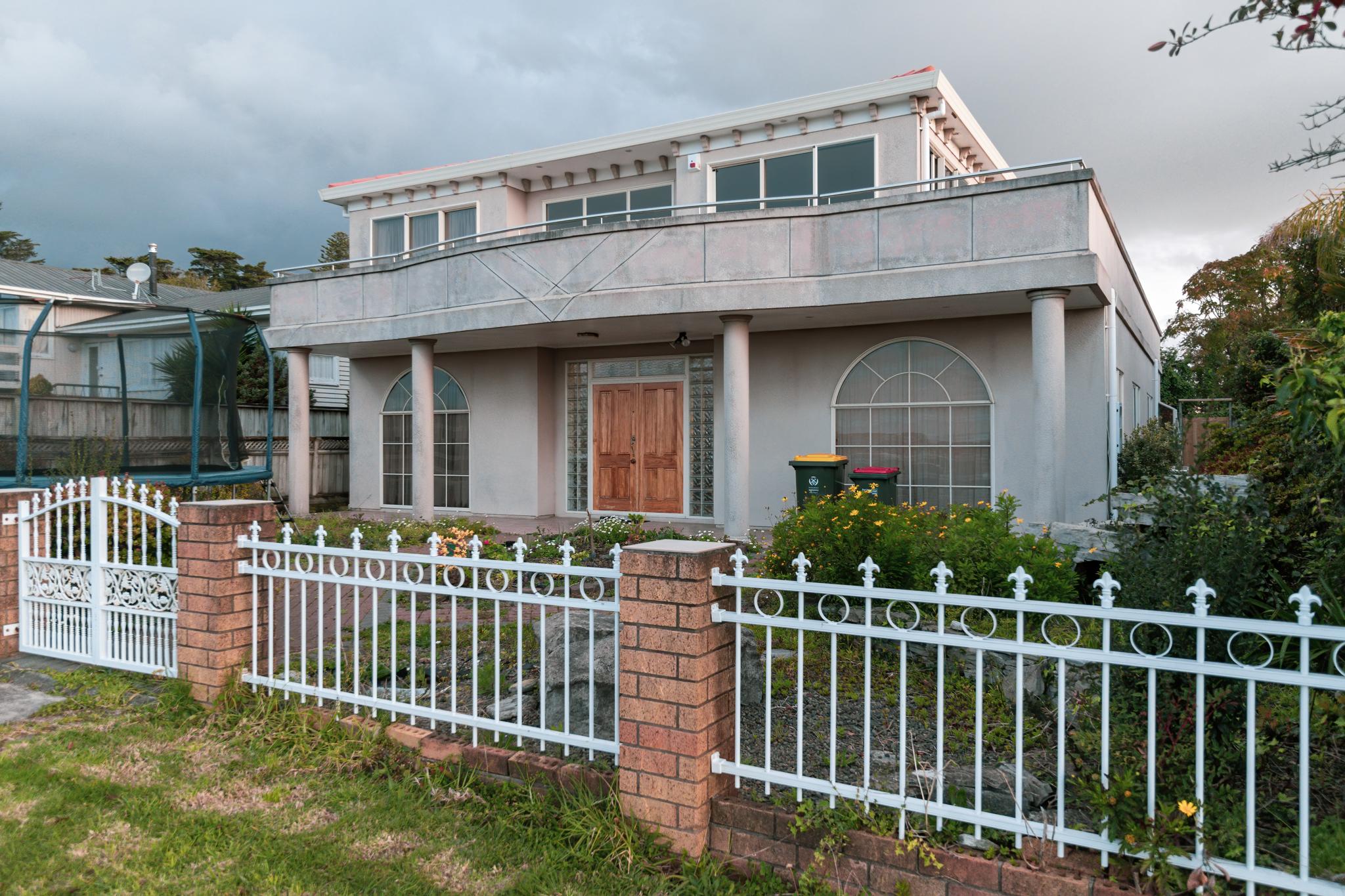
Rental Property Home Assessments Glenside
The areas of rental property that are affected to the Healthy Homes Standards in Glenside include each:
- Living Room
- Bedrooms
- Dining Rooms
- Bathroom
- Kitchens
- Laundry
Home Assessments Glenside for Rental Properties
There are many things to check in a house review to determine if your rental property meets the requirements of the Healthy Homes Standard. A few examples are:
- Does the subfloor space covered in insulation and is there a ground waterproofing barrier?
- Does the ceiling insulation require replenishment or replacement?
- Is the heater equipped with enough capacity?
- Do you have enough drainage? stopping of draughts?
- Does the house has enough ventilation, including extractor fans?
The consequences of not having an Healthy home in relation to the Residential Tenancies Act and consequently being on the wrong side of a ruling on tenancy services ruling can be significant for property managers and landlords. For professional assistance, get in touch now and schedule your rental properties home assessment.
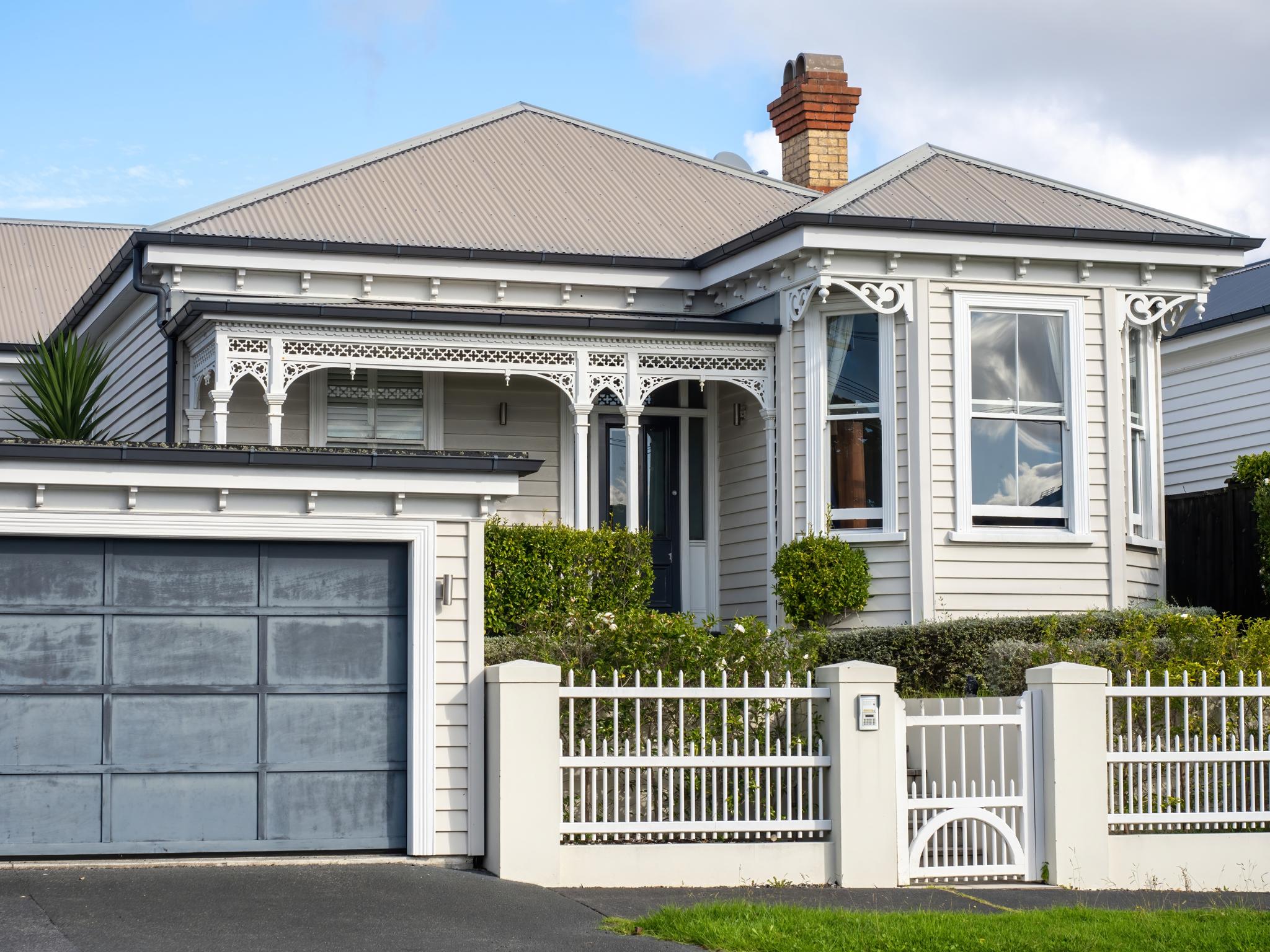
Healthy Homes Assessment Glenside Wellington 6037

What We Do
As building inspectors, we handle all elements that come with expert home Inspections. We are there to ensure you make the best decision when purchasing your next property.
We value your money and conduct comprehensive inspections so you won’t receive any expensive or unwelcome surprise costs, meaning you are able to relax and focus on the exciting aspects of owning or purchasing the home.
We offer a wide range of services to ensure you are completely aware of the state of any property that you might be considering buying or selling and also other services.
We not only work with you , but we also collaborate with a number of important clients such as the local authorities, banks, and insurance companies. Evidently they appreciate this reassurance provided, because of the information contained in our building inspection reports.
With our systemised method of conducting your house inspection as well as the latest technology in software which includes digital photos in your Report, you are able to actually see any issues that may be identified. Thanks to our comprehensive reporting it is easy to understand why we get so many clients recommending our service to family and friends.
Comprehensive Home Inspections
- Pre Purchase & Pre Sale Reports
- Building Condition Reports
- Healthy Homes Assessments
- General Consultancy
- Handover Reports
- Asbestos Compliance
- Mould Inspection
- Dilapidation Reports
Pre-Purchase Inspection
Pre-Sale Inspection
Healthy Homes Assessment

Request a Quote